
Understanding gambling addiction recovery Steps to reclaim your life
Recognizing the Signs of Gambling Addiction
Recognizing gambling addiction is the first crucial step towards recovery. Many individuals may dismiss their gambling habits as mere entertainment; however, when betting starts interfering with daily life, relationships, and financial stability, it becomes a problem. Signs include an inability to control betting behavior, feeling restless when not gambling, and using gambling as an escape from stress or anxiety. Understanding these signs is vital for self-awareness and acknowledging the need for change. Alongside this awareness, platforms like AUWin9 can provide insights into responsible gaming practices that enhance understanding.
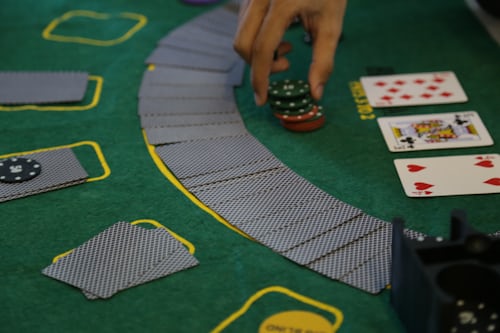
Additionally, individuals may find themselves lying about their gambling activities to friends or family, which can further complicate their relationships. This behavior can create a cycle of shame and secrecy, leading to increased isolation. Recognizing these patterns can motivate individuals to seek help, ensuring they do not face their addiction alone.
Lastly, financial implications often serve as wake-up calls. If gambling leads to significant debts, lost jobs, or strained relationships, it becomes imperative to address the issue. Understanding these signs is fundamental for anyone at risk of gambling addiction and can serve as a gateway to seeking help and support.
The Importance of Seeking Professional Help
Seeking professional help is a cornerstone of effective gambling addiction recovery. Counselors and therapists specialized in addiction can provide tailored strategies for individuals to combat their urges and develop healthier coping mechanisms. Therapy, such as cognitive-behavioral therapy, can help reshape thought patterns that contribute to compulsive gambling, making it easier to resist the urge to gamble.
Support groups also play a pivotal role in recovery. Organizations like Gamblers Anonymous provide a community where individuals can share their experiences and support one another through their recovery journeys. Sharing one’s story fosters a sense of understanding and accountability that can be pivotal in maintaining sobriety. These sessions often validate feelings and provide practical advice on managing triggers and cravings.
Moreover, professionals can assist in establishing a structured plan for recovery, including setting realistic goals and developing healthy hobbies to replace gambling. The importance of professional guidance cannot be overstated; it serves as a foundation for long-term success and personal growth.
Developing Healthy Coping Mechanisms
Developing healthy coping mechanisms is essential for individuals recovering from gambling addiction. Many may resort to gambling as a way to cope with stress, boredom, or emotional distress. Therefore, identifying alternative activities that provide fulfillment without the risks associated with gambling is necessary. Engaging in hobbies like sports, arts, or volunteering can help fill the void left by gambling while promoting emotional well-being.
Physical activities, such as exercise, not only improve physical health but also boost mood through the release of endorphins. This natural high can replace the temporary rush that gambling once provided, helping individuals find joy and satisfaction in healthier outlets. Mindfulness practices, including meditation and yoga, can also help individuals manage stress and anxiety, which are often triggers for gambling urges.
Additionally, establishing a routine can aid in reducing the temptation to gamble. By setting daily schedules that include productive activities and social engagements, individuals can better occupy their time and reduce idle moments that may lead to cravings. Cultivating these new habits is a critical aspect of reclaiming one’s life from gambling addiction.
Building a Supportive Environment
Building a supportive environment is crucial for sustaining recovery from gambling addiction. This involves surrounding oneself with positive influences, including friends and family who understand the challenges of addiction. Open communication about one’s struggles can foster trust and provide necessary support during difficult times. Furthermore, individuals should also consider distancing themselves from those who encourage gambling or engage in similar behaviors.
Establishing boundaries is essential. This might mean limiting access to gambling venues or avoiding conversations that revolve around gambling. It’s crucial for individuals to recognize their triggers and take proactive steps to manage them. Supportive environments can also include participation in community programs that promote healthy lifestyles and encourage recovery.
Moreover, technology can be utilized to create a safer space. Many apps and online platforms offer features that can block access to gambling sites or provide daily reminders of goals and achievements. By leveraging these resources, individuals can create a more controlled and supportive environment that reinforces their commitment to recovery.

Exploring Online Gaming Resources
While recovery from gambling addiction is a serious endeavor, not all online gaming experiences are detrimental. Some platforms provide resources and support for individuals looking to engage with gaming responsibly. For example, websites often incorporate features that promote responsible gambling, such as self-exclusion tools and gaming limits. These resources can serve as a safe space for individuals who want to enjoy gaming without falling back into addictive behaviors.
Moreover, reputable online gaming platforms offer educational material about responsible gambling practices. These resources often highlight the importance of setting limits, recognizing signs of addiction, and knowing when to seek help. Engaging with such platforms can provide individuals with a controlled environment where they can enjoy gaming while remaining mindful of their recovery journey.
Additionally, there are communities within these platforms that focus on support and recovery, fostering connections among individuals who share similar experiences. By participating in these discussions, individuals can gain insights into managing their recovery, celebrating milestones, and reinforcing their commitment to a gambling-free lifestyle.